In a remarkable breakthrough, humanity has uncovered the existence of the colossal Megalodon shark, proving its massive dimensions with a length exceeding 12 meters and a weight of approximately 9 tons. Divers in the United States made this astonishing discovery around the Hawaiian Islands.
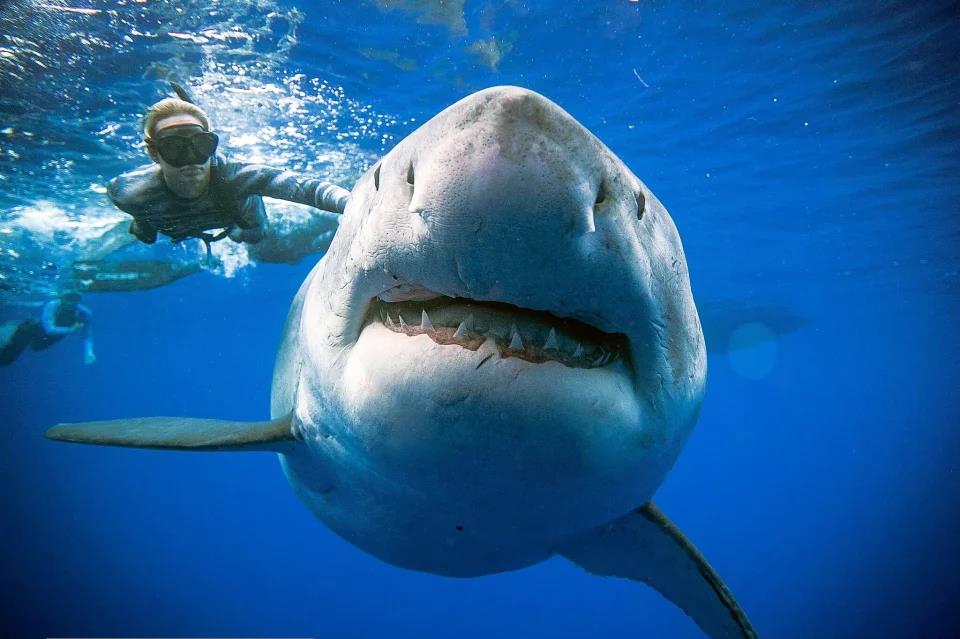
The Megalodon, presumed to have a lifespan of over 300 years, has long been a subject of fascination and speculation. However, recent findings by American divers near the Hawaii archipelago provide concrete evidence of this prehistoric giant’s continued existence.
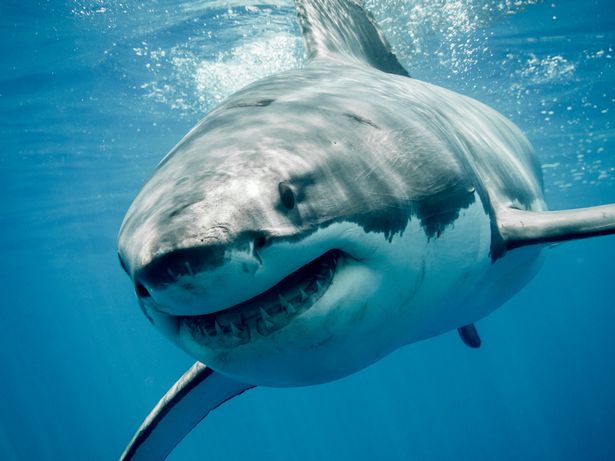
Measuring over 12 meters in length and weighing around 9 tons, these Megalodons surpass the size of any known contemporary shark species. The divers, equipped with advanced technology and a spirit of exploration, made this groundbreaking observation during an expedition aimed at studying marine life in the region.
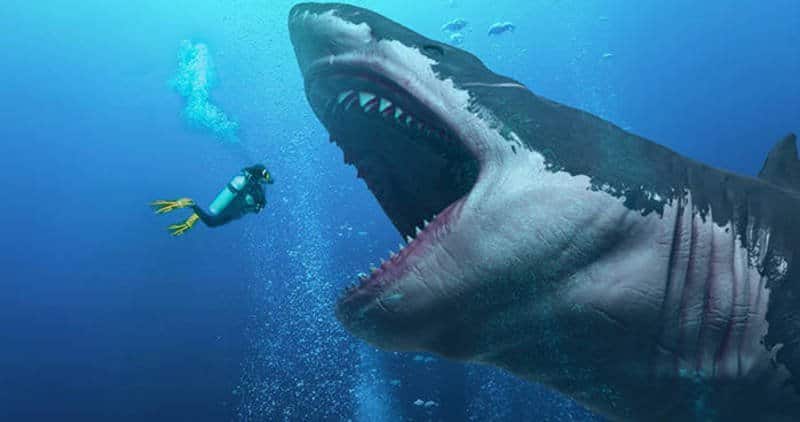
The implications of this discovery are vast, challenging our understanding of marine ecosystems and the coexistence of ancient species with their modern counterparts. Scientists and marine biologists are now working tirelessly to gather more information about the Megalodon population, their behavior, and the ecological impact of their presence.

The revelation of Megalodons in the waters surrounding Hawaii has sparked global interest, igniting discussions among experts and enthusiasts alike. The findings not only contribute to the scientific understanding of marine life but also raise questions about the conservation of these ancient creatures and the measures needed to ensure their survival.
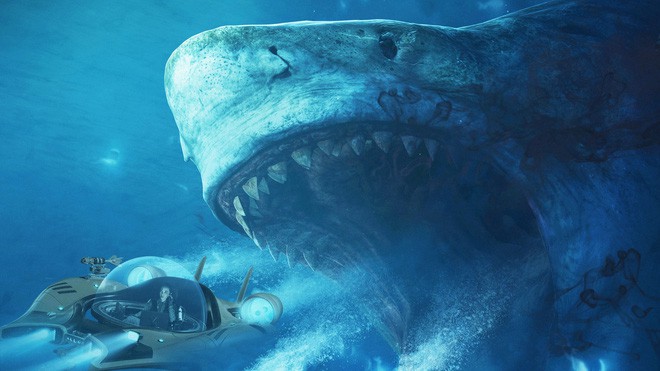
As research continues, the discovery of living Megalodons marks a significant milestone in our exploration of the Earth’s oceans, reminding us of the mysteries that still await unraveling beneath the waves.